 OSURIS
dataset
GEMET keywords
Type of resources
Available actions
Topics
INSPIRE themes
Keywords
Contact for the resource
Provided by
Years
Formats
Representation types
Update frequencies
status
Scale
Resolution
-
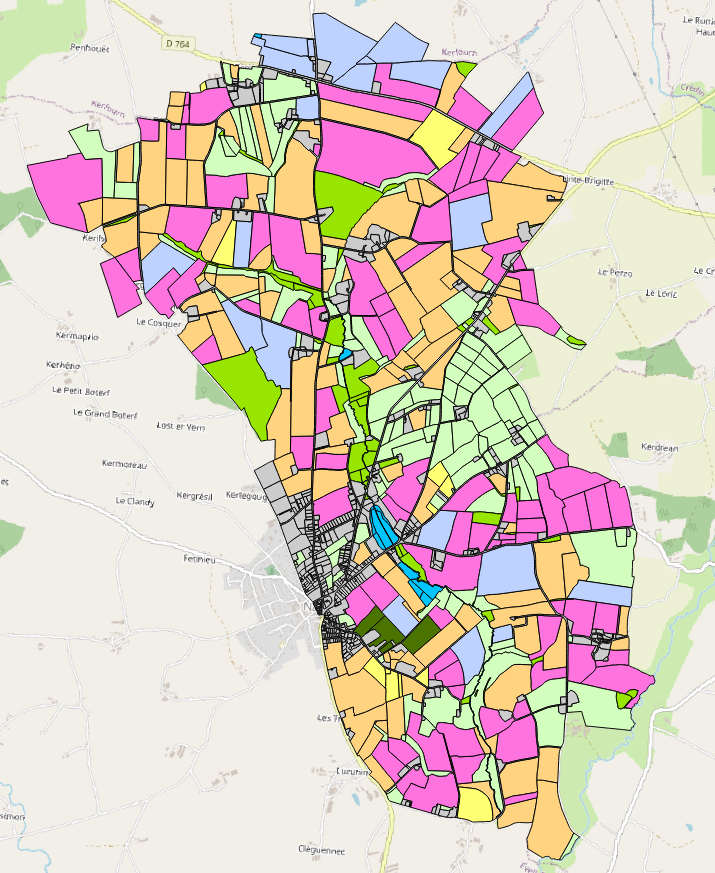
Occupation des sols 2001 du bassin versant du site de Naizin dans le Morbihan dans le cadre de l'Observatoire de Recherche en Environnement (ORE) AgrHyS d'INRAE. Le parcellaire est issu du cadastre de 2013. Les dessertes ont été redessinées à partir des orthophotos IGN de 2013 et le parcellaire a été découpé en fonction d’une zone tampon autour de ces dessertes. Les parcelles 2013 peuvent être découpées mais jamais regroupées. Toutes les entités géographiques élémentaires ont un identifiant unique sur l’ensemble des années. Champs de la table d’attribut : • ID_2001 : identifiant de la parcelle pour l’année 2001 • TYPE : code principal de l’occupation des sols • S_TYPE : code secondaire de l’occupation des sols La nomenclature de ces codes des types et sous-types a été définie dans le programme ANR-12-AGRO-0005 MOSAIC : https://anr.fr/Projet-ANR-12-AGRO-0005. Leurs descriptions peuvent être télécharger ici : https://geosas.fr/metadata/ore/xls/legendes_osol_naizin.xlsx. Les occupations des sols sont issues de photo-interprétation dans le cadre du programme CORMORAN (Cheverry et al., 1998). Les limites des parcelles ont été mises en concordance avec le parcellaire de 2013.
-
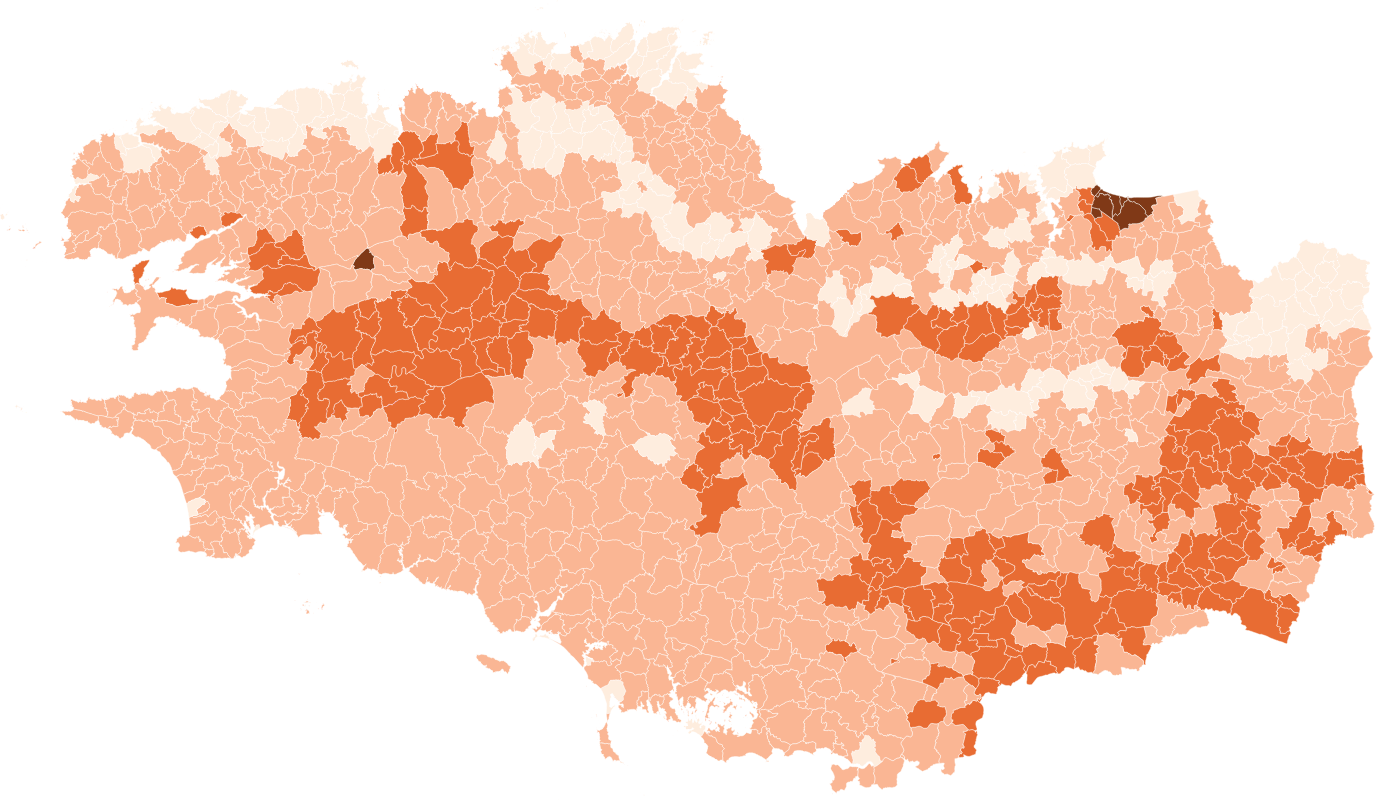
La proportion médiane d'argile par commune des sols Bretagne a été estimée pour la région Bretagne à partir du Référentiel Régional Pédologique de Bretagne. Le vecteur est composé de six bandes, correspondant aux valeurs médiane d'argile à six profondeurs standards : 0-15 cm, 5-15 cm, 15-30 cm, 30-60 cm, 60-100 cm et 100-200 cm. Les valeurs sont exprimées en pourcentage.
-
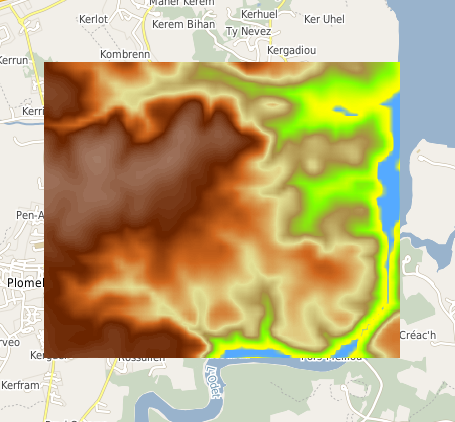
Modèle Numérique de Terrain (MNT) à 10 mètres de résolution calculé par interpolation bilinéaire de la BD ALTI Version 2.0 de l'IGN à 25 mètres de résolution. L'emprise géographique du MNT correspond au site de l'Observatoire de Recherche en Environnement (ORE) AgrHyS de Kerbernez sur la commune de Plomelin dans le Finistère.
-
Image Aster uniquement géoréférencée de la Côte d'émeraude à proximité de Saint-Malo. Elle est composée de 9 bandes mesurant les longueurs d'ondes de 0.556 à 2.4 µm en juillet 2003.
-
Occupation des sols 2009 du bassin versant du site de Naizin dans le Morbihan dans le cadre de l'Observatoire de Recherche en Environnement (ORE) AgrHyS d'INRAE. Le parcellaire est issu du cadastre de 2013. Les dessertes ont été redessinées à partir des orthophotos IGN de 2013 et le parcellaire a été découpé en fonction d’une zone tampon autour de ces dessertes. Les parcelles 2013 peuvent être découpées mais jamais regroupées. Toutes les entités géographiques élémentaires ont un identifiant unique sur l’ensemble des années. Champs de la table d’attribut : • ID_2009 : identifiant de la parcelle pour l’année 2009 • TYPE_09 : code principal de l’occupation des sols • S_TYPE_09 : code secondaire de l’occupation des sols • ID_ILOT : Identifiant numérique et non significatif par îlot du RPG 2009 • CODE_GROUP : code du groupe de cultures du RPG 2009 La nomenclature de ces codes des types et sous-types a été définie dans le programme ANR-12-AGRO-0005 MOSAIC : https://anr.fr/Projet-ANR-12-AGRO-0005. Leurs descriptions peuvent être télécharger ici : https://geosas.fr/metadata/ore/xls/legendes_osol_naizin.xlsx. Les occupations des sols sont issues des données par ilot du Registre Parcellaire Graphique (RPG) de l’année 2009. Les limites des parcelles ont été mises en concordance avec le parcellaire de 2013.
-

L’ouverture des barrages va considérablement impacter le fonctionnement des populations piscicoles de la Sélune. Le rétablissement de la continuité écologique du fleuve modifiera les flux populationnels en autorisant la remontée plus en amont de certaines espèces amphihalines et le déplacement d'autres espèces vers l'aval et en amont des barrages. Depuis plus d'une 50aine d'années, de nombreuses années, l'API HUB'eau Poisson diffuse les données collectées lors d'opérations de pêches scientifiques à l'électricité réalisées par l'Office français de la biodiversité (OFB) et et ses partenaires. Ces données concernent les observations, les indicateurs, les opérations et les stations de prélèvement. Elles couvrent la France hexagonale (Corse comprise). Elles sont bancarisées dans l'outil Aspe opéré par l'OFB. L'API Poisson donne accès à la quasi totalité des données de l'outil de gestion Aspe opéré par l'OFB. Celui-ci est ouvert à l'ensemble des producteurs désireux de bancariser leurs données piscicoles. Pour toute demande d'information, merci de vous rendre sur le site aspe.eaufrance.fr. La v0 de l'API, basée sur les données de l'ancienne base IMAGE, n'est désormais plus accessible.
-
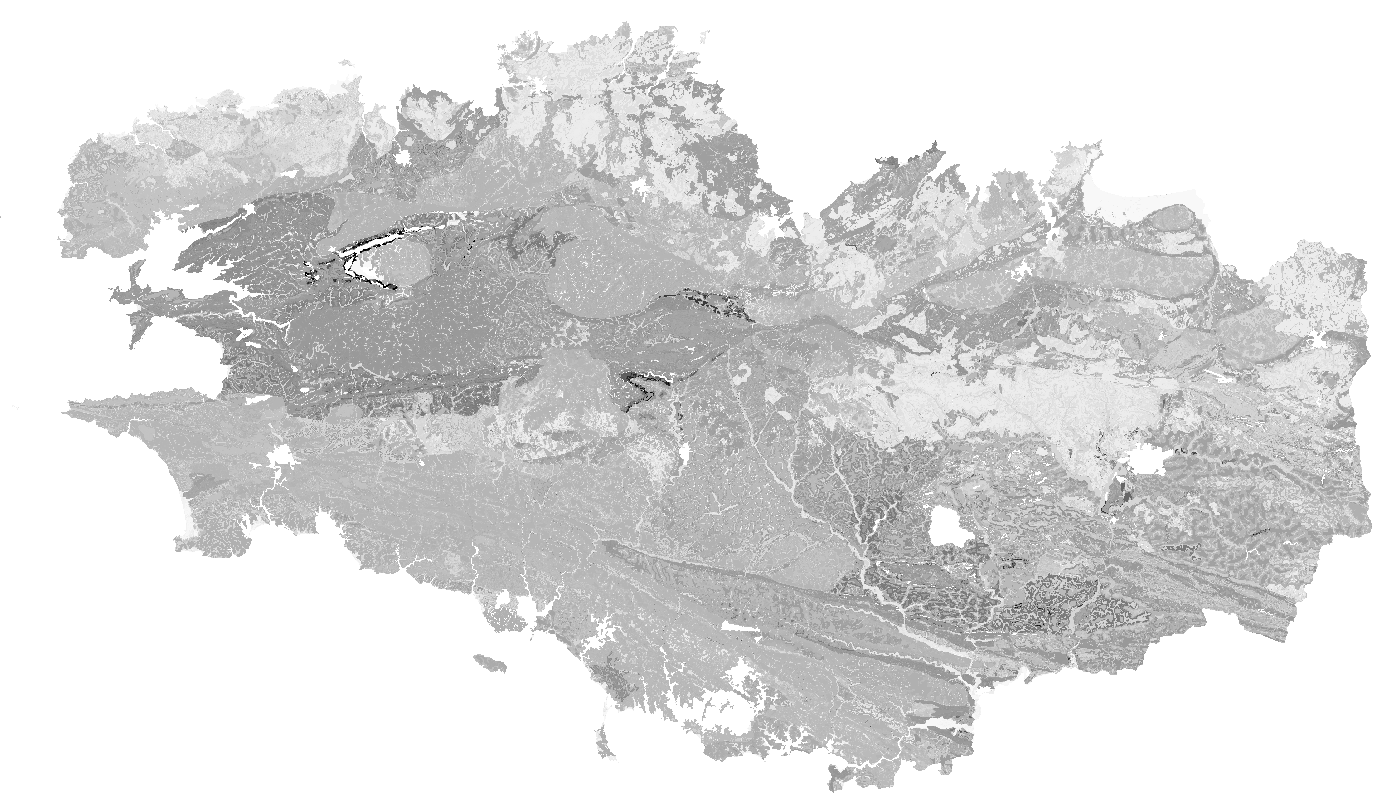
La proportion d'éléments grossiers des sols Bretagne a été estimée pour la région Bretagne à partir du Référentiel Régional Pédologique de Bretagne. Le raster est composé de six bandes, correspondant aux valeurs d'éléments grossiersà six profondeurs standards : 0-15 cm, 5-15 cm, 15-30 cm, 30-60 cm, 60-100 cm et 100-200 cm. Les valeurs sont exprimées en pourcentage.
-
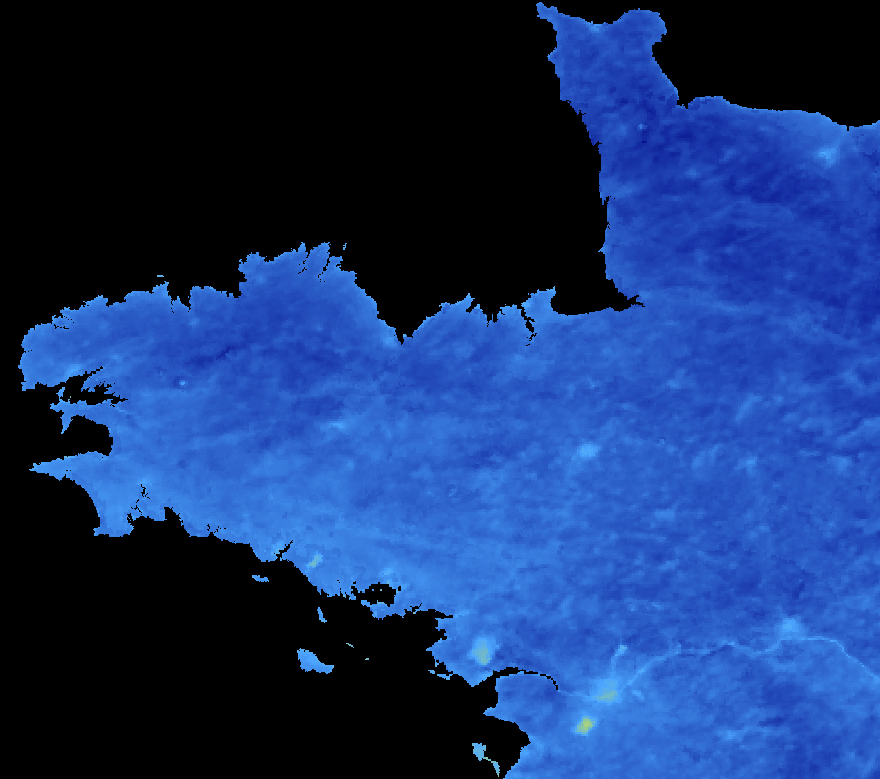
Température moyenne sur 8 jours par ciel clair en Bretagne la nuit. Cette donnée permet de distinguer des lieux où la température est élevée la nuit (eau libre), mais aussi les zones urbaines (îlots de chaleur urbains).
-
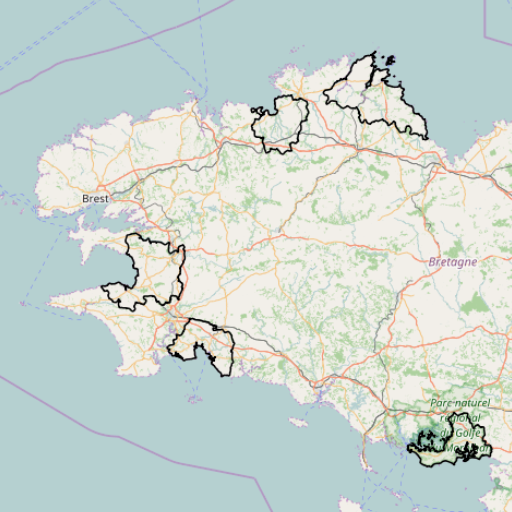
Délimitation des 5 sites d'étude du projet "Paroles et chemins de l'Agriculture Littorale" (Parchemins) : - Baie de Douarnenez - Baie de la Forêt - Baie de Lannion - Goëlo - Presqu'île de Lézardrieux - Presqu'île de Rhuys
-
Image Aster uniquement géoréférencée du sud de la côte d'Armor et du Morbihan. Elle est composée de 9 bandes mesurant les longueurs d'ondes de 0.556 à 2.4 µm en juillet 2003.